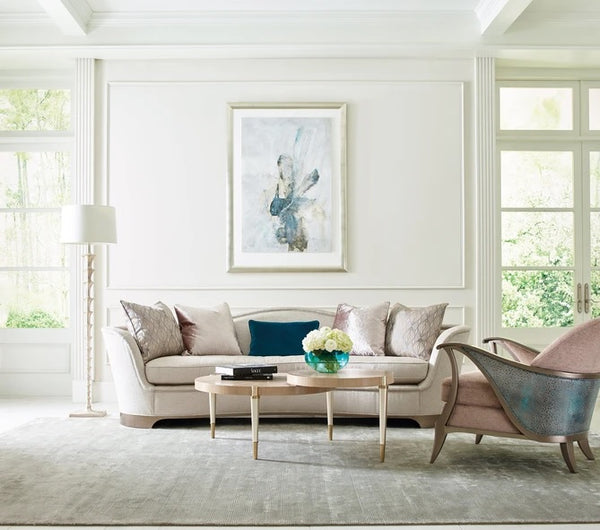
Furniture is a big investment and all of us want the furniture we choose lasts over a decade or more. But if its wooden furniture and you want it to last over a few years then, it calls for proper care and maintenance. Branded and quality wooden furniture is likely to last, but still, you will have to do your part to properly maintain the beauty of the wood.
To ensure all this, here are some care tips to keep them new.
Place them at Correct Places
The first and foremost step towards proper care is proper positioning. Ensure that your dining table or wooden bed is away from any heat or cold vents. Avoid placing them at places that get direct sunlight. Heat and direct sunlight can dry up the wood, finishing all the moisture inside, and gradually resulting in fading away of the wooden polish or finish. Also, remember too much moisture is also not good for wooden furniture.
Protection of Wooden Dining Tables
Dining tables are the heart of dining rooms, and likewise, coffee tables are a staple for any living area. In case, you place any hot or cold utensil or glass or cup on the wooden dining table directly, it can result in fading or formation of a white ring. It is advisable to make use of table mats to place utensils and crockery and likewise, use coasters for glasses and cups.
Keep Furniture Clean
To help your wooden furniture last longer, clean it at regular intervals. To remove the dust, make use of a feather duster. In case you are sensitive to dust, so, to prevent dust in the air, you can also use a damp cloth to wipe the pieces. Use a cotton cloth and not any synthetic cloth to prevent scratches.
Remove Hardware Before Cleaning
For thorough cleaning remove the hardware and then clean. The use of a metal or brass cleaner is advisable and then buffs the hardware. Reattach the hardware only when it is completely dry.
Summary:
Explore the exotic wooden furniture range from the top brands requiring low maintenance at Grayson Luxury – A one-stop online destination for the most eclectic collection of luxurious furniture pieces and other quality home décor accessories. We at Grayson Luxury are offering complimentary online e-design services. We cater to all your requests, from fabric samples, catalog shipments, CAD designs, and inspirational boards. Our designers are ready to accommodate any requests virtually.
Great design isn't just about looks—it's about how a space makes people feel. Learn how to arrange your furniture for effortless conversation, from face-to-face seating clusters and low-profile sofas to perfectly placed coffee tables that bring guests together naturally.
True luxury isn't just about expensive materials—it's about how a room feels. Discover how handcrafted Made Goods pieces like statement mirrors, accent seating, and sculptural lighting can transform your bathroom from a cold, clinical space into a warm, soulful sanctuary.
A side table is usually one of the smaller pieces of furniture you buy, but it ends up doing a lot of daily heavy lifting. It gives your coffee cup a safe landing spot, tucks away loose items, holds a lamp, and ties a seating group together so your living room does not feel like a collection of random chairs. If you are deciding whether you actually need one, here is a practical guide to what a side table brings to the space, how to choose the right style, and where to place it.
1. Extra Storage That Doesn't Take Over the Room
Most living rooms run out of storage long before they run out of floor space. Remotes, phone cords, coasters, magazines, and reading glasses tend to pile up quickly, and a coffee table gets cluttered fast.
A vintage side table with built-in storage fixes this problem without taking up half the room. Choosing one with a drawer or lower shelf gives you an out-of-sight spot for items that normally clutter your surfaces. Drawers are ideal if you prefer a clean look with everything hidden away. Lower shelves work better if you like easy access to books, magazines, or small baskets.
If you want something that feels lighter, a glass side table with a drawer gives you that same storage without making the room look cramped. Glass tops let light pass through rather than blocking it, keeping sightlines clear across small spaces. A dark, solid wood table with a heavy base can make a small room feel crowded, whereas glass keeps things feeling open.
2. A Surface Right Where Your Arm Lands
Coffee tables are often placed too far from sofa arms to reach comfortably while sitting back. You end up standing up repeatedly or balancing a mug on a cushion next to you, which usually leads to accidental spills.
A side table placed right next to an armchair or sofa arm puts a flat surface exactly where your hand naturally rests. You can set down a glass, a candle, your phone, or a small plate without stretching, twisting, or standing up.
A good rule of thumb for height is to match the top of the table roughly with the top of the sofa arm. That way, setting something down feels like a natural movement rather than an awkward reach up or down.
3. Easy Placement in Other Rooms
Side tables are not restricted to the living room. The exact same table often works just as well as a nightstand in a guest room, a small bedroom, or a dorm room.
For instance, a simple white table with a shelf easily translates across different spaces. In a bedroom, that lower shelf holds a lamp, a book, and a glass of water. In a living room, it holds a small plant or a coaster. Buying furniture that transitions between rooms makes long-term sense, especially if you move houses or decide to rearrange down the road.
4. Simple Style Contrast
Because side tables rest at eye level when you are seated, people notice them right away.
An antique side table adds immediate character next to newer pieces. Turned wooden legs, a tarnished drawer pull, or an aged finish create an interesting contrast beside a plain, modern couch. You do not need a room full of old furniture to get this effect; a single antique side table next to a basic sofa often adds more personality than a full matching set of brand-new furniture.
Conversely, a simple glass or metal side table does the opposite: it blends into the background so your sofa, rug, or wall art remains the main focus. Neither approach is better than the other; it comes down to whether you want the table to catch the eye or simply support the surrounding decor.
5. Fills Awkward Empty Spots
Almost every living room has an awkward gap: the space between two armchairs, a blank spot next to an end arm, or an unused corner by a window. A side table turns those awkward gaps into functional areas.
This is especially helpful in open-floor layouts where couches and chairs sit in the middle of the room rather than against walls. A side table at the end of a sofa gives your eyes a clear visual anchor, making the seating arrangement look thought-out rather than thrown together.
6. Effortless to Rearrange
Unlike heavy coffee tables or media centers, side tables are lightweight and easy to shift around. If you are hosting a gathering, adding extra seating, or just trying out a new room layout, moving a side table takes just a moment.
That portability makes them one of the easiest furniture items to experiment with. If your initial placement does not feel right, you can move the table to another corner, place a pair side-by-side against a wall, or pull one over to serve as an extra surface when friends visit.
How to Choose the Right Side Table
Storage Needs: If remotes and cords constantly clutter your living room, choose a table with a drawer or a lower shelf. A vintage table with built-in storage takes care of small daily clutter effortlessly.
Room Size: For smaller floor plans, glass tops prevent the room from feeling crowded because they leave visual pathways open. Larger rooms can handle heavier wooden or stone tables without feeling weighed down.
Style Preference: Antique and vintage tables offer warmth and character, making them great accent pieces in modern rooms. Simple, low-profile designs let the surrounding furniture take center stage.
Shape: Round tables work well in tight spots and high-traffic pathways since there are no sharp corners to bump into. Square or rectangular tables provide more surface space and fit neatly alongside square-edged sofas. If your room already has lots of straight lines, a round table breaks up the angles. If your space features curved furniture, a square table provides good structure.
Height: Measure the height of your sofa or chair arm before buying. Aim for a table height within an inch or two of the armrest so reaching for your drink feels natural.
Frequently Asked Questions
Can a side table be used for storage?
Yes. Many side tables include drawers, shelves, or small cabinets beneath the top surface. They offer a practical spot for storing books, coasters, remotes, and small electronics out of plain sight.
Can a side table be used as a nightstand?
Yes. Side tables and nightstands serve almost identical practical functions. A clean white table with a shelf works just as well next to a bed as it does beside a couch.
Are round or square side tables better for living rooms?
It depends on your floor layout. Round tables fit better in tight quarters or busy walkways because they lack sharp edges. Square or rectangular options offer more usable top space and align cleanly with standard sofa arms.
What practical functions do side tables offer in modern living rooms?
They keep drinks, lamps, books, and phones within easy reach of your seating. Options with drawers or shelves also double as storage hubs, plant stands, or charging spots.
How do side tables help in small living rooms?
In smaller spaces, a side table often replaces the need for larger cabinets or bulky consoles. A slim vintage table or a glass-top design provides storage and surface space without crowding the room.
Why are side tables considered useful in living rooms?
They provide convenient surface space right next to where you sit, which coffee tables cannot always reach. With options ranging from glass and metal to vintage wood, they solve practical daily storage issues without taking up much room.
Summary
A side table is a small investment that makes a noticeable difference in how your living room functions day to day. Whether you pick a vintage model with extra storage, a clean glass design with a drawer, or an antique piece with plenty of history, a side table solves common room problems effortlessly. Focus on your storage needs, your room dimensions, and the overall look you want, and your new table will quickly prove its worth.