
Some filters could not be applied and were reset.
-
 John Richard Brass and Glass Teardrop Nine-Light Chandelier $6,250.00
 -
 John Richard Spherical Twelve-Light Quartz Chandelier $4,438.00
 -
 John Richard Shiro-Noda Twenty-One-Light Dramatic Glass Cluster Chandelier $16,875.00
 -
 John Richard Shiro-Noda Fifteen-Light Glass Cluster Horizontal Chandelier $14,988.00
 -
 John Richard Shiro-Noda Eleven-Light Chandelier $8,875.00
 -
 John Richard Quartz Nine-Light Chandelier $3,488.00
 -
 John Richard Frosted Glass Petal Horizontal Twenty-Four-Light Chandelier $4,988.00
 -
 John Richard Frosted Glass Nine-Light Chandelier $1,875.00
 -
 John Richard Brass and Glass Teardrop Eight-Light Chandelier $8,125.00
 -
 John Richard Tamboril Thirteen-Light Chandelier $4,988.00
 -
 John Richard Tamboril Twenty-Two-Light Chandelier $8,688.00
 -
 John Richard Tamboril Thirty-Eight-Light Two-Tier Chandelier $14,750.00
 -
 John Richard Tamboril Twenty-Two-Light Horizontal Chandelier $9,063.00
 -
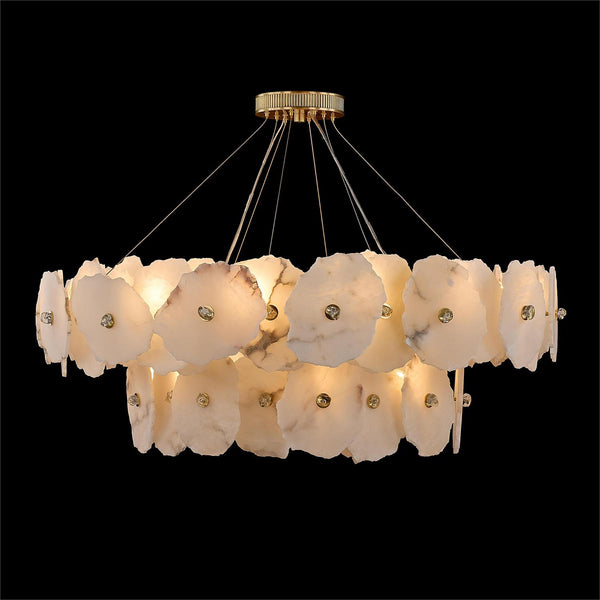 John Richard Montserrat Two-Tier Twenty-Four-Light Chandelier $12,125.00
 -
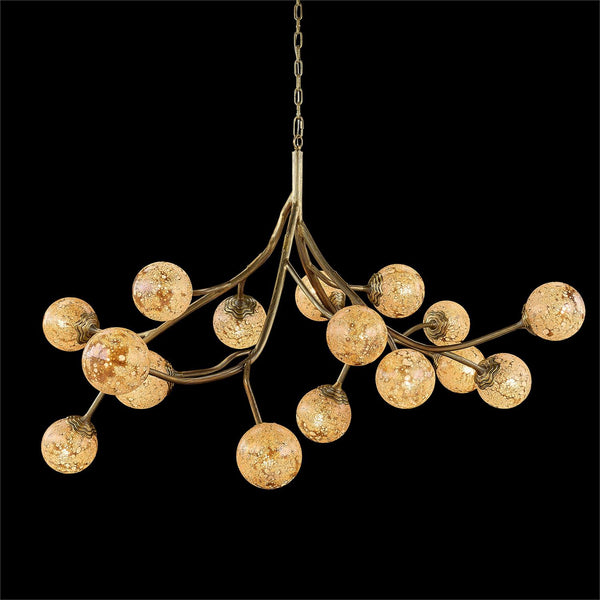 John Richard Melia Sixteen-Light Horizontal Chandelier $12,875.00
 -
 John Richard Melia Sixteen-Light Chandelier $10,488.00
 -
 John Richard Melia Nineteen-Light Chandelier $14,250.00
 -
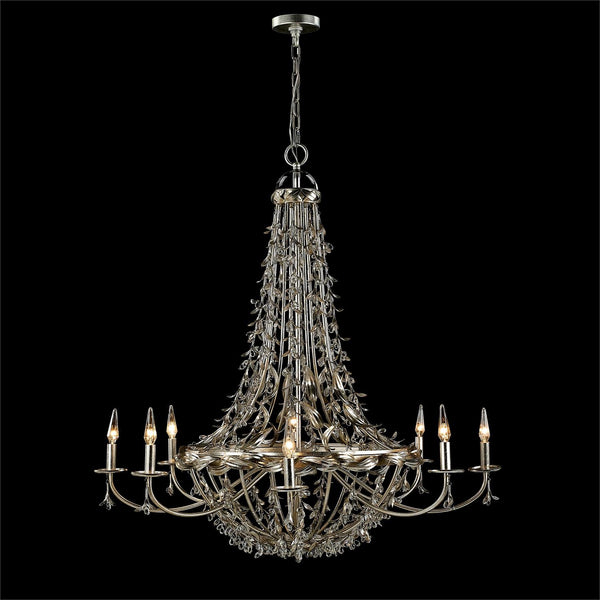 John Richard Highgrove Eight-Light Chandelier $6,250.00
 -
 John Richard Highgrove Three-Light Chandelier $4,188.00
 -
 John Richard Hadrian Chandelier with Fan $4,625.00
 -
 John Richard Farnese Two-Tier Twenty-One-Light Chandelier $8,250.00
 -
 John Richard Ellington Chandelier with Fan $3,625.00
 -
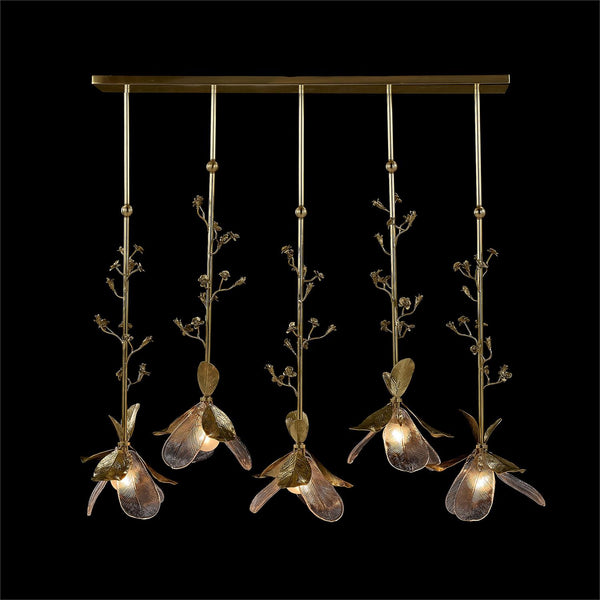 John Richard Dryad Five-Light Horizontal Chandelier $6,125.00
 -
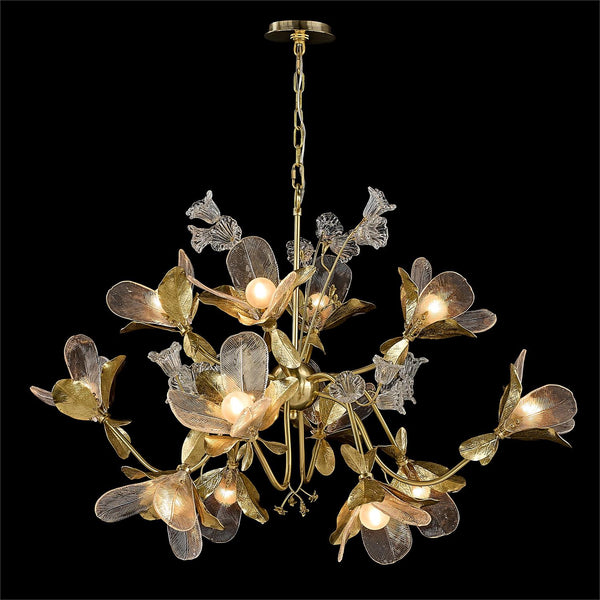 John Richard Dryad Twelve-Light Chandelier $10,625.00


