A console table often becomes the most practical surface in a home. It holds keys, lamps, decor, or everyday items that don’t belong on larger furniture. A Made Goods console table works best when it supports daily habits rather than acting only as a display piece. Its slim profile makes it easy to place without crowding the room.
Where Console Tables Fit Best
Console tables work well in entryways, behind sofas, along hallway walls, or under mirrors. In these spaces, they provide function without blocking movement. The height should feel comfortable for placing items down as you walk by. A table that’s too deep or too tall can interrupt flow, especially in narrow areas.
Using Side Tables Alongside Consoles
In some rooms, a Made Goods side table works better than a console table. Side tables are easier to place next to sofas, chairs, or beds where items need to be within reach. When used together, console tables and side tables help spread surfaces around the room, reducing clutter on larger furniture.
Choosing the Right Size and Proportion
Always measure the wall or space before choosing a table. A console should match the height of nearby furniture, without going over it. Side tables should be close to seat height for easy use. Leaving space around the table makes the room feel open and comfortable to walk through.
Before You Decide
Think about how often the table will be used and what will sit on it. If it holds lamps or frequently used items, stability matters. If it’s moved often, lighter designs are easier to manage. A well-chosen table should feel helpful every day, not something you work around.

 Made Goods Juleen Console Table $3,960.00
  Made Goods Florette Console Table $1,260.00
  Made Goods Harlow Console Table $2,680.00 Add to cart
  Made Goods Maurice Console Table $4,580.00 Add to cart
 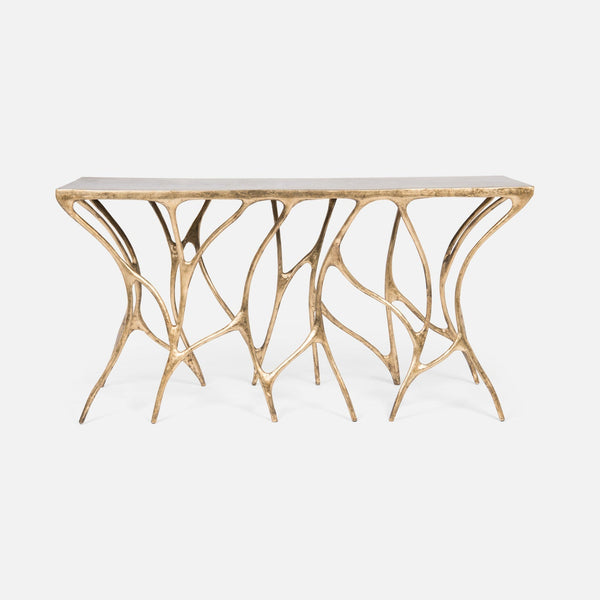 Made Goods Aldrich Console Table $5,240.00 Add to cart
  Made Goods Amara Console $2,960.00 Add to cart
  Made Goods Isla Console Table $2,200.00 Add to cart
  Made Goods Conrad Console Table $2,860.00 Add to cart
  Made Goods Jarin Console Table $3,080.00 Add to cart


